
(Work Exchanges, Volunteering & House Sitting)
For years I thought long-term travel was only for rich people, digital nomads, or trust-fund babies. I genuinely believed that if you didn’t have thousands of euros saved, traveling the world long-term was just a fantasy.
Fast forward to today — and I’m literally living that life.
I now understand how normal it actually is to travel on a budget, long-term, meet incredible people, and experience countries in a much deeper way than just being a tourist.
I accidentally discovered work exchanges and ended up traveling for a full year without paying for accommodation.
I personally used Worldpackers, but along the way I met dozens of travelers using other platforms like Workaway, Couchsurfing, and house/pet sitting.
In this guide, I’ll show you all the realistic ways people travel long-term without paying for accommodation — even if you’re broke, solo, or traveling alone as a woman.
👉 You can read my full personal story here:
How I Traveled the World for a Year With Almost No Money
Is It Really Possible to Travel Without Paying for Accommodation?
Yes — and way more people do this than you think.
Depending on your travel style, you can stay for:
- a few days
- a few weeks
- several months
- or even long-term
Some hosts allow solo travellers or couples or friends. Some include meals. Some only include accommodation. It really depends on the place and the agreement.
Work exchanges & volunteering
- You offer a few hours of your day helping a hostel, family, farm, NGO, or small business
- In exchange, you get free accommodation
- Often includes meals, coffee, or discounts
(This is what I personally did using Worldpackers.)
House sitting & pet sitting
- You stay in someone’s home while they’re away
- You take care of their pets or house
- In exchange, you live there for free
Reality check
When I say I paid “0€ for accommodation,” I still paid for:
- flights
- transportation
- food
- insurance (always get insurance)
- tacos, mezcal, coffee, and little treats for my mental health (more food & snacks)

Caramel coffee somewhere in Cancun
The Main Ways to Get Free Accommodation While Traveling
1. Work Exchanges (What I Personally Used)
A work exchange is exactly what it sounds like:
- You offer a few hours of your time each day
- In exchange for free accommodation
- Sometimes includes food or other perks
What kind of work you do:
- hostel reception
- cleaning
- social media
- teaching basic English
- gardening
- helping on a farm
- supporting a small family business
My personal experience:
- I only volunteered in hostels because I loved the social vibe
- Max hours are usually 25–32 per week
- In the Netherlands I worked ~3 hours per day with 2 days off
What you get in return:
- free dorm accommodation
- free breakfast
- free coffee
- discounts on drinks
- sometimes free tours or activities
Why I stayed loyal to Worldpackers:
- Safety net if something goes wrong
- Host is creepy or experience isn’t what was promised
- Backup hostel or hotel offered
- Time to reorganize plans
Even if I could technically handle things alone, it hits differently knowing someone has your back in a foreign country.
That’s why I’ll never shut up about Worldpackers.
Travel for free! I use Worldpackers 🌍 for a year without paying for accommodation 🏡💸
👉 Check it out and find your next adventure!
2. Workaway (What Other Travelers Use)
Workaway is another popular work exchange platform.
What it is:
- Trade a few hours of work per day
- For free accommodation
- Often free meals
What kind of opportunities it has:
- farm work
- eco-projects
- hostels
- family homestays
- helping with kids
- gardening
- renovations
- teaching basic English
- social media help
What travelers told me:
- Either amazing life-changing experiences
- Or bad ones where they were overworked
How it compares to Worldpackers:
- Worldpackers: more structure, safety focus, hostel-based, better for solo women
- Workaway: more farms, rural projects, physical labor, depends heavily on host
That’s why I personally stuck with Worldpackers.
3. Pet Sitting
What it is:
- You stay in someone’s home
- Take care of their pets
- Live there for free
Why it’s amazing:
- Quiet living situation
- Private space
- Great if you love animals
Real example:
- I actually met a traveler in Rotterdam who managed to live abroad for almost three years doing only pet sitting. She was using Pawshake to find long-term house- and pet-sitting gigs, which covered her accommodation completely. She even managed to turn it into her full-time work. When she didn’t have a gig lined up, she’d stay in hostels for a bit and wait for the next booking. The only downside she mentioned was that Pawshake takes a pretty high commission from each booking. But she also told me she feels much safer using Pawshake as a solo nomad because she doesn’t know the hosts personally, and if anything goes wrong, the platform can step in and help.
Reality check:
- You can stay for days, weeks or a month so you are constantly on the move
- Hard at the beginning
- Gets easier over time
4. House Sitting
What it is:
- Staying in someone’s home while they’re away
- Taking care of plants, house, or pets
Who it’s good for:
- slow travelers
- introverts
- remote workers
- expensive countries
Why it’s harder as a beginner:
- References required
- Background checks
- Trust building
Why solo women love it:
- private space
- no dorms
- stable living situation
How Much Money Can You Actually Save?
In Mexico:
- I spent ~1,500€ for 4 months including flights
Hostel math:
- 10€ per night
- 120 nights (4 months)
- = 1,200€
Even at just 10€ per night, staying somewhere for 4 months would cost around 1,200€ in accommodation alone.
That’s exactly how much I saved by doing work exchanges instead.
Full-year reality
- I traveled 12 months without paying accommodation
- Not including 3 months in Croatia (seasonal paid work)
Where I stayed:
- Oaxaca, Mexico (cheap)
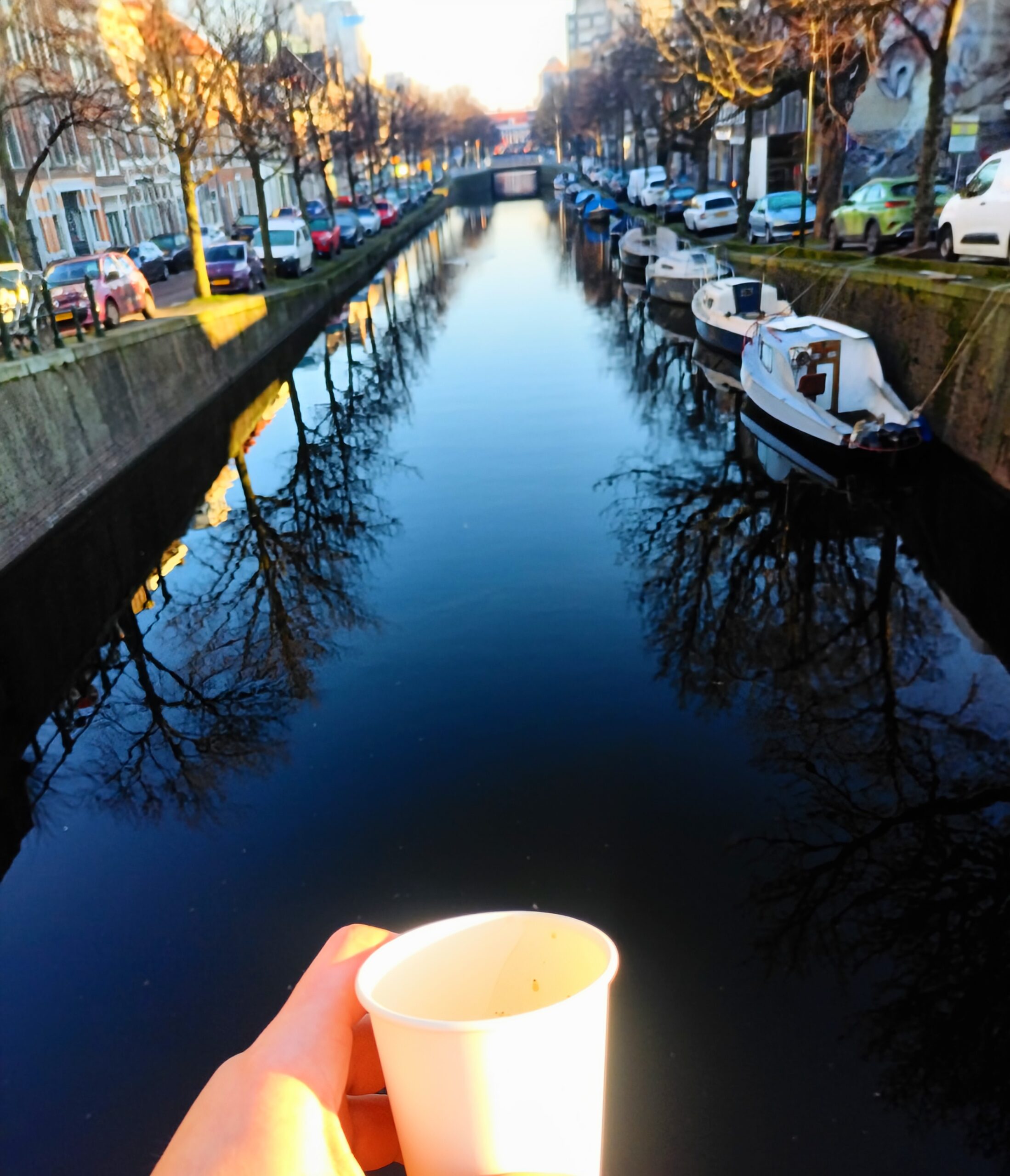
- Den Haag, Rotterdam, Netherlands (expensive)
Den Haag hostels:
- 30–40€ per night
Realistic yearly average:
- 20€ per night
Year math:
- 365 nights
- 20€ × 365 = 7,300€
Even with a conservative average of 20€ per night, staying in hostels for one full year would have cost around 7,300€ in accommodation alone.
That’s how much I realistically saved by using work exchanges instead.
Is This Safe for Solo Women or Queer Travelers?
My honest experience:
- I felt very safe
- No truly creepy or dangerous situations with the hosts
- When I felt unsafe, the stuff of the hostels helped me out by kicking guests out
Things that mattered most:
- Reading reviews carefully
- Trusting my gut
- Setting boundaries
- Leaving if something felt wrong
Introvert survival rules:
- Protect alone time
- Communicate boundaries
Another reason I love Worldpackers:
- Support if something goes wrong

Me and another volunteer posing for Will & Tate Hostel
How to Start
Beginner steps:
- Choose a platform
- Read their website
- Build an honest profile
- Apply to hosts you like
On Worldpackers:
- Hosts already ask questions
- You just answer them
Final Thoughts: My Honest Advice
Who should try this:
- People who want long-term travel
- Budget travelers
- Open-minded souls
- People who like meeting humans
Who maybe shouldn’t:
- Only want vacations
- Hate responsibilities
- Expect luxury travel
Maybe this lifestyle isn’t for you — and that’s okay.
Biggest lesson:
- You can be loved anywhere you go
Encouragement:
If broke little me could do this with anxiety, introvert, and one backpack…
You can too.
As long as you want adventure, freedom, and a softer way to see the world.